E-mail: marketing@hbhuamei.com
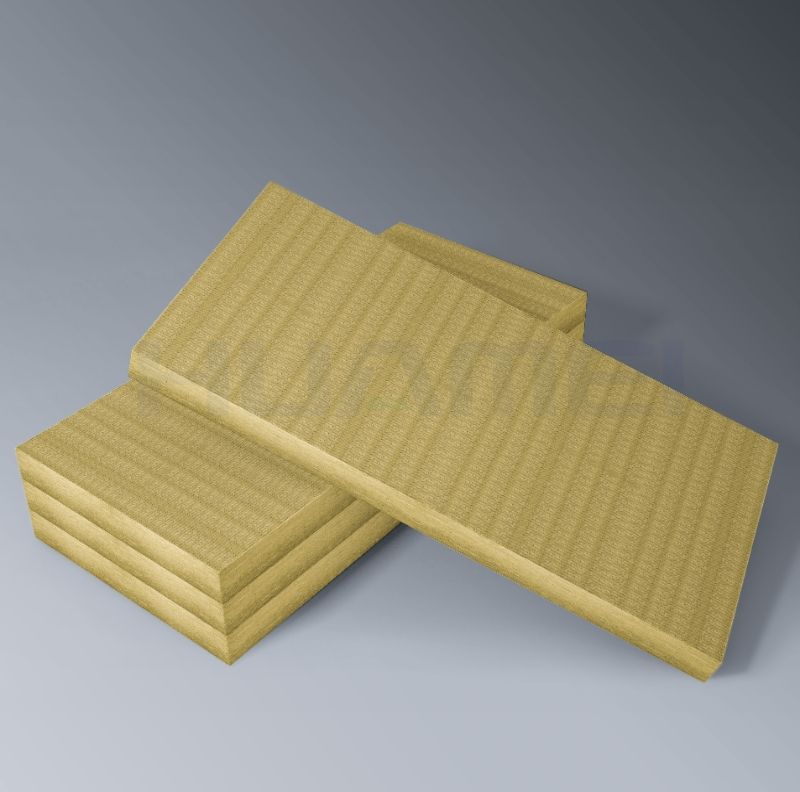
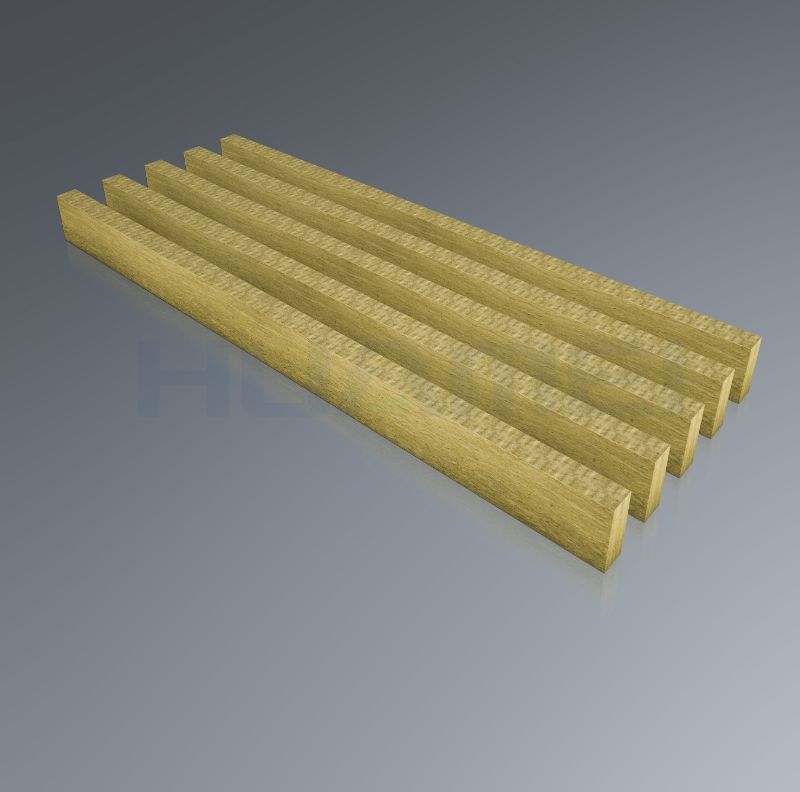
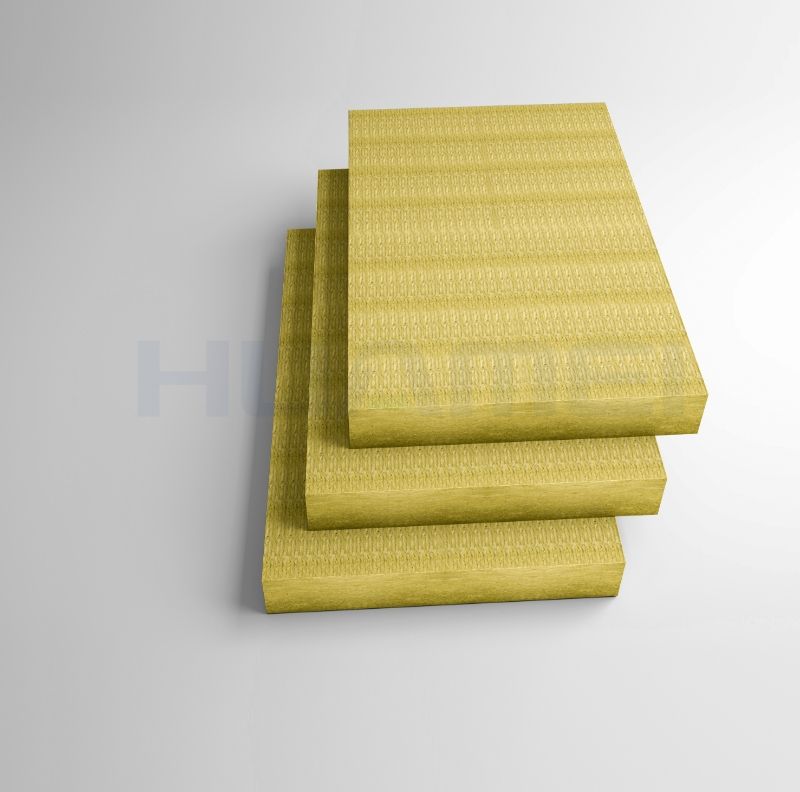
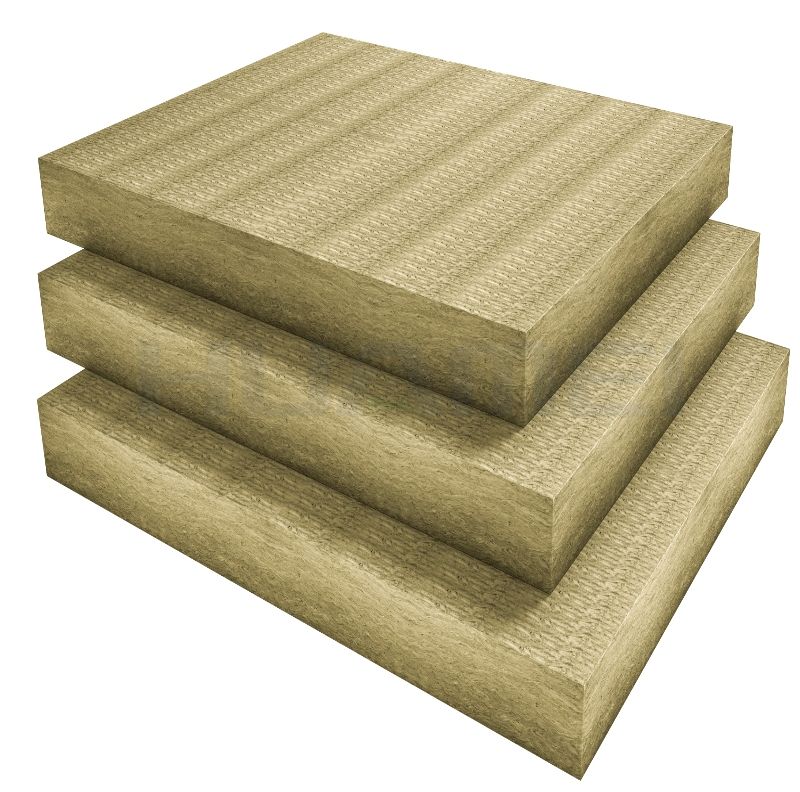
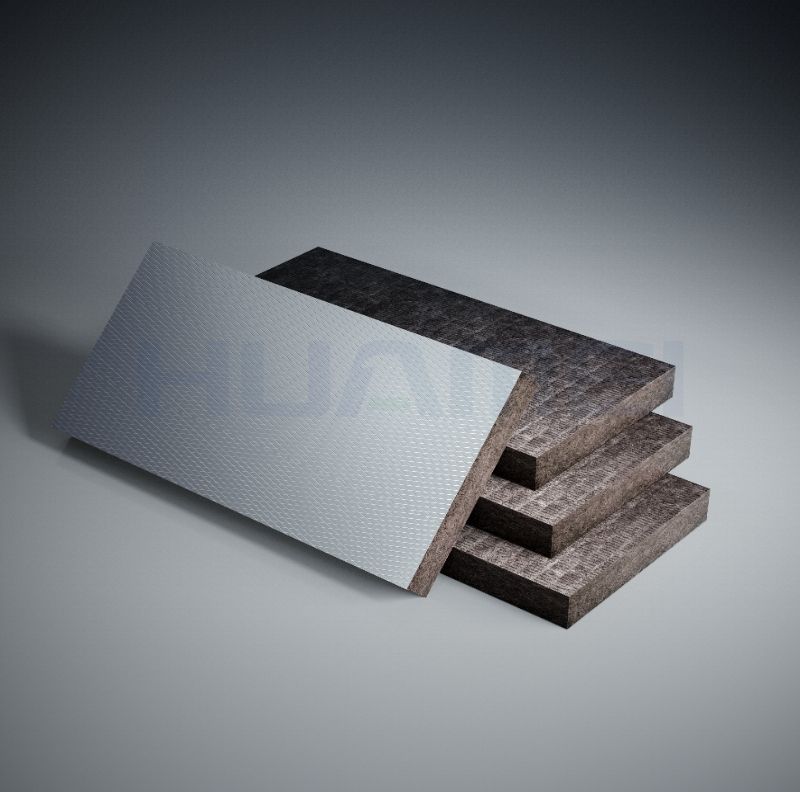
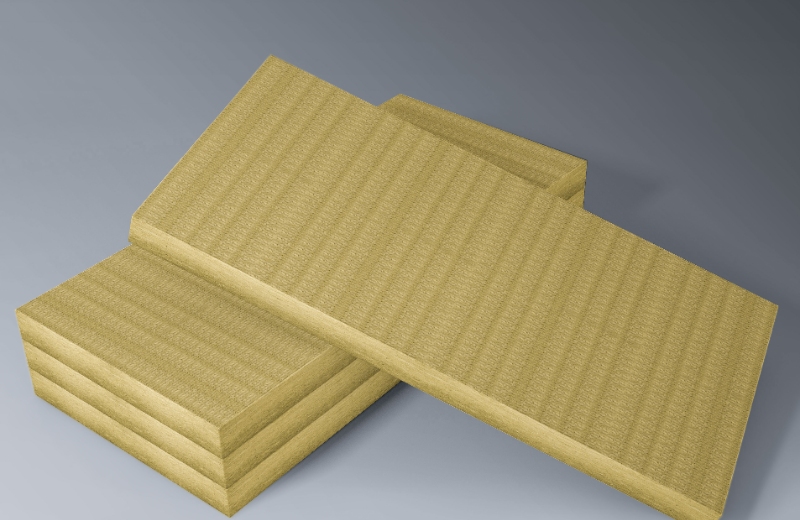
Huamei exterior wall insulation rock wool board is specially designed and produced for the thin plastering system of building exterior wall insulation. It meets the energy-saving requirements of new buildings and is also suitable for the energy-saving renovation of existing buildings' exterior walls. It has advantages such as high vertical tensile strength,low thermal conductivity, high hydrophobicity, good dimonsional stability, and chomical stability. It is particularly suitable for insulation and fire prevention of sealed room structures such as brick or concrete foundation walls. At the same time, this product can be used as a fire isolation belt matched with external wall insulation systems to overcome the impact of extreme climate change and improve the overall insulation effect and fire safety of building extemal walls.
Product Description
Huamei exterior wall insulation rock wool board is mainly used in thin plaslering syslemns and dry hanying curlain wall insulation syslems for exterior wall insulation. It can be applied to various dense wall building
walls. The high compressive strength and tensile strength of the product ensure its stability in application; High water increase rate and low water absorption ensure the durability of product application, low thermal conductvity, and can ettectvely reduce the cold and heat energy losses of houses, achieving the effect of energy conservation, low-carbon emission reduction.
1. Excellent Thermal Insulation
Exterior wall insulation rock wool board features low thermal conductivity, effectively reducing heat loss from walls. Whether used for heating in winter or cooling in summer, it significantly reduces energy consumption, achieving the energy-saving goals of green buildings.
2. Class A Non-Combustible, Fireproof and Safer
Exterior wall insulation rock wool board is made primarily from natural rocks such as basalt, melted at high temperatures. It is a Class A non-combustible material that remains stable even at high temperatures and produces no toxic fumes. It effectively prevents fire from spreading along exterior walls, providing reliable protection for building safety.
3. High Strength and Durability
The board features a dense structure, high compressive and tensile strength, and is resistant to deformation or cracking. It can last the life of the building, ensuring the long-term stability and safety of the exterior wall system.
4. Excellent Hydrophobicity and Breathability
Exterior wall insulation rock wool board, treated with a hydrophobic treatment, has low water absorption, preventing performance degradation due to rainwater penetration. At the same time, the internal fibers maintain breathability, helping the wall "breathe" and preventing moisture accumulation.
5. Significant sound insulation and noise reduction
The porous fiber structure of the exterior wall insulation rock wool board effectively absorbs sound, reducing the impact of external noise on the interior, creating a quiet and comfortable space for living and working.
Improves building energy efficiency
When used in exterior wall systems, it significantly reduces winter heating and summer cooling energy consumption, meeting green building energy efficiency standards.
Safe and reliable fire protection
It produces no toxic smoke in a fire, effectively preventing the spread of fire and ensuring building and occupant safety.
Strong construction compatibility
It can be combined with various exterior wall insulation systems, including screeds, finishing layers, and cladding systems, and boasts a proven construction process.
Durability and environmental friendliness
It is made from natural raw materials, is highly chemically stable, and is resistant to aging and corrosion, ensuring a service life that lasts the same as the building itself.
Improves living comfort
It combines thermal insulation and sound insulation, creating a warmer and quieter indoor environment.
Project | Item | Model | Standards |
Compressive strength | kPa | ≥40 ≥60 ≥80 | GB/T 13480 |
Tensile strength | kPa | ≥7.5 ≥10 ≥15 | JG149-2003 |
Thermal conductivity | W/(m-K) | ≤0.040 | GB/T 10295 |
Acidity coefficent | -- | ≥1.8 | GB/T 5480 |
Flammablity | -- | A1级 | GB 8624 |
Hydrophobicity rate | % | ≥98.0 | GB/T 10299 |
| Water absorption (partial invasion) | Kg/m3 | ≤0.5 | GB/T 25975 |
Moisture absorption rate | % | ≤1.0 | GB/T 5480 |
Dimensional stabilit | % | ≤1.0 | GB/T 8811 |
| Melting temperature | ℃ | 1000 | -- |
| Right angel degree of deviation | mm/m | ≤5 | GB/T 25975 |
Planeness toleranc | mm | ≤6 | GB/T 25975 |
environmental protection | -- | asbestos-free CFC、HCFC、HFC-free | -- |
Note:
This product must be stored indoors and covered with waterproof cloth when placed outdoors. Please ensure that the outer packaging of the product is intact before use.
Exterior Wall Insulation Rock Wool Boards function as the thermal, fire-resistant, and acoustic core of modern exterior wall systems.
Integrated within façade assemblies, they help buildings achieve energy efficiency, fire safety, environmental durability, and occupant comfort while supporting a wide range of architectural façade designs and construction methods.
In modern architecture, exterior walls are expected to perform far beyond simple enclosure functions. They must simultaneously provide thermal insulation, fire protection, moisture management, acoustic control, and long-term façade stability.
Exterior Wall Insulation Rock Wool Board is integrated into the building envelope as the core continuous insulation layer within exterior wall systems. It works together with structural walls, fixing systems, air and moisture barriers, reinforcement layers, and façade finishes to create a high-performance exterior wall assembly.
Rather than serving as an isolated insulation product, the rock wool board functions as a system component that improves the overall thermal and safety performance of the building façade.
A standard exterior wall insulation system integrating rock wool boards generally includes the following layers (inside to outside):
Structural Wall Substrate
Reinforced concrete wall
Masonry wall
Steel structure sheathing system
Adhesive or Mechanical Fixing System
Anchors or bonding mortar used to secure the insulation boards
Ensures long-term stability under wind loads and environmental stress
Exterior Wall Insulation Rock Wool Board
Installed continuously across the exterior façade
Forms the primary thermal and fire-resistant layer of the wall system
Reinforcement Layer
Reinforcing mortar combined with fiberglass mesh
Improves impact resistance and surface stability
Decorative or Protective Finish Layer
Thin-coat render systems
Stone cladding
Metal panels
Ventilated façade systems
Curtain wall substructures
Within this assembly, the rock wool board acts as the functional transition layer between the structural wall and the external façade system.
Continuous Thermal Insulation Across the Building Envelope
The rock wool board creates a continuous insulation barrier on the exterior side of the structure, reducing thermal bridging and stabilizing indoor temperatures throughout seasonal climate changes.
This exterior insulation approach improves building energy efficiency while protecting structural walls from repeated thermal expansion and contraction.
Fire Protection Within the Façade Assembly
Integrated into exterior wall systems, rock wool insulation functions as a non-combustible fire barrier that helps slow vertical flame spread along building façades.
This role becomes particularly important in:
High-rise buildings
Commercial complexes
Public facilities
Industrial structures
The material contributes to safer façade compartmentation and supports compliance with modern fire protection requirements.
Moisture and Condensation Control
When combined with breathable façade systems and weather-resistant finishes, the rock wool layer helps regulate vapor movement within the wall assembly.
This reduces risks associated with:
Internal condensation
Mold growth
Moisture accumulation behind cladding systems
Long-term degradation of wall components
The system therefore contributes to improved durability and healthier indoor environments.
Acoustic Control for Building Interiors
Exterior wall rock wool boards also function as part of the building’s acoustic envelope. Their fiber structure absorbs airborne noise and helps reduce sound transmission from external environments such as:
Urban traffic
Industrial operations
Transportation hubs
Commercial districts
This supports improved occupant comfort in residential, office, educational, and hospitality buildings.
EIFS (External Thermal Insulation Composite Systems)
In EIFS applications, rock wool boards are directly fixed onto the exterior substrate and covered with reinforced render systems.
Within this configuration, the boards provide:
Continuous insulation
Fire protection
Substrate stability for decorative coatings
This solution is widely used in residential and commercial developments seeking energy-efficient façade systems.
Ventilated Façade Systems
For ventilated rainscreen façades, the rock wool board is installed behind an air cavity and external cladding system.
In this assembly, the insulation layer:
Maintains thermal continuity
Enhances façade fire safety
Supports moisture drainage and ventilation
Improves overall wall durability
This solution is common in modern commercial architecture and high-rise buildings.
Curtain Wall Backing Insulation
In curtain wall systems, rock wool insulation boards are integrated behind metal or glass façade structures to improve thermal and fire performance without increasing structural load significantly.
The insulation layer also helps minimize heat transfer around façade connections and structural interfaces.
Industrial and Prefabricated Building Systems
In steel structure and prefabricated buildings, exterior wall rock wool boards are integrated into sandwich wall systems or external insulation assemblies.
The boards contribute to:
Energy efficiency
Fire compartmentation
Stable indoor environmental control
Long-term operational durability
By integrating Exterior Wall Insulation Rock Wool Boards into façade systems, architects, developers, and contractors can achieve:
Continuous high-performance building insulation
Improved façade fire resistance
Better moisture and condensation management
Enhanced indoor acoustic comfort
Greater façade durability and lifecycle stability
The insulation layer becomes a critical part of the building envelope strategy rather than an independent construction material.
RELATED NEWS
What Makes Rockwool Insulation Mold-Resistant?
Jan. 21, 2026
Copyright © Huamei Energy-saving Technology Group Co., Ltd. All Rights Reserved | Sitemap | Privacy Policy
Insulation solutions LIST: Insulation solutions LIST